Worried about flooding in Houston? Learn how to check a neighborhood’s flood history, understand flood zones, review FEMA maps, and evaluate flood risk before buying a home.
Does This Neighborhood Flood?
A Clear Guide for Houston Homebuyers
It’s one of the first questions every Houston buyer asks and for good reason. After Hurricane Harvey, flood awareness became an essential part of choosing the right home. Whether you’re moving from out of state or upgrading within the city, understanding flood risk helps you make a confident, informed decision.
Below is a simple, practical guide to evaluating whether a neighborhood or specific home has a history of flooding.
1. Start With a Neighborhood-Level View
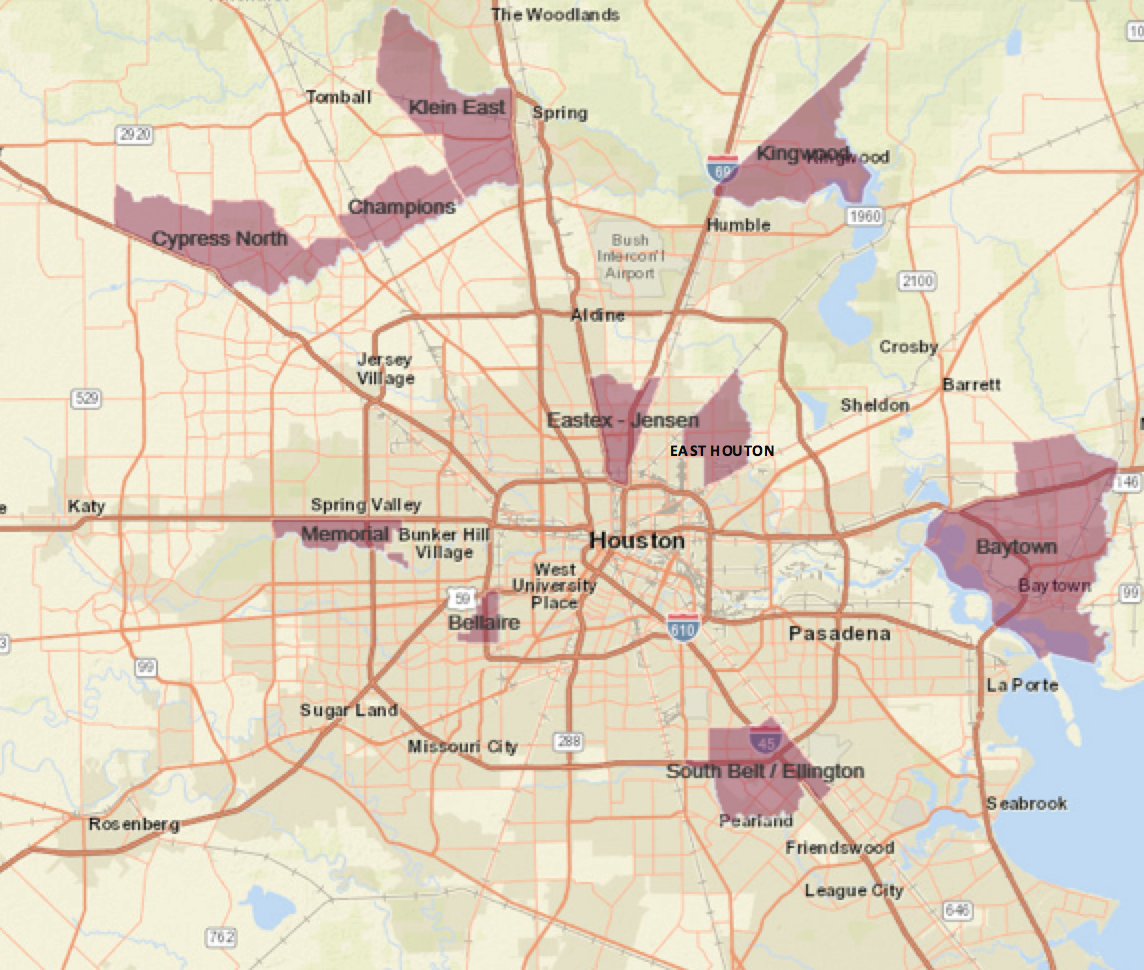
Before you research a specific address, it helps to understand the broader pattern.
Some areas of Houston are known for better drainage, elevation, or infrastructure, including:
Bellaire (varies by street; major drainage upgrades completed)
West University Place (historically strong performance)
The Heights (generally higher elevation)
Master-planned communities in Cypress (engineered drainage)
At the same time, some areas near bayous require closer evaluation. Flood risk is block by block in Houston, not neighborhood by neighborhood, so the next steps matter.
2. Look Up the FEMA Flood Zone for the Exact Address
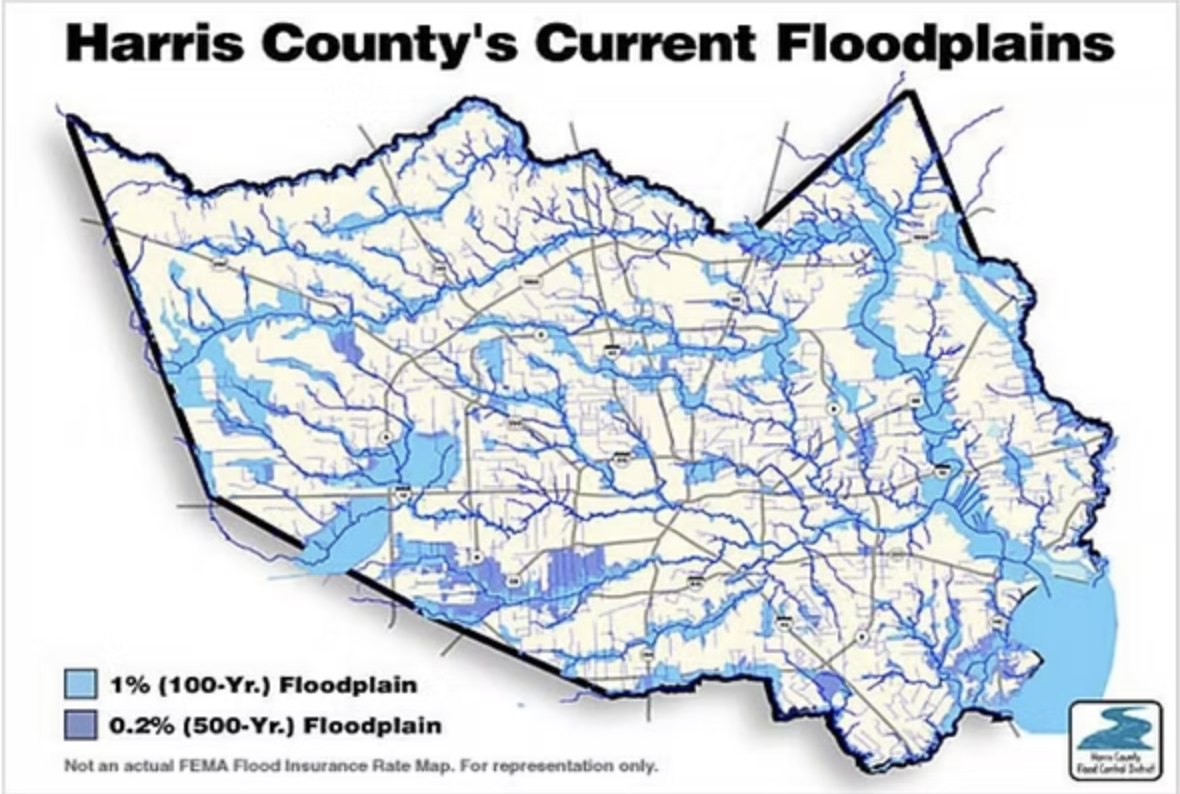
Every property falls into one of several FEMA zones. The most common are:
Zone X (Preferred Zone)
Lowest risk
Often does not require flood insurance
Many of Houston’s strongest-performing neighborhoods fall here
Zone AE
Higher risk
Flood insurance required
Does not mean the home has flooded, only that it is more vulnerable
Zone VE or Floodway
Coastal or high-risk floodway
Typically avoided for residential purchases
How to check:
Enter the property address on the official FEMA Flood Map Service Center. This gives you a first pass at understanding risk.
3. Review the Home’s Individual Flood History
A home can be in a low-risk zone and still have flooded or be in a higher-risk zone and never experience water.
This is why flood history matters.
Ask for:
Seller’s disclosure (required in Texas)
Insurance claim history (CLUE report if available)
Elevation certificate (if applicable)
Documentation showing past improvements (drainage upgrades, home elevation, etc.)
You can also check the Harris County Flood Education Mapping Tool, which shows past inundation levels during major storms.
4. Evaluate Elevation, Drainage, and Street Design
Even within the same neighborhood, micro-features affect risk:
Lot elevation relative to the street
Proximity to bayous or retention ponds
Street slope (downhill streets collect more water)
Position on the block (corners often drain differently)
Home elevation height
Stormwater infrastructure upgrades in the area
Your agent should help you walk through these details during showings, especially when comparing homes that are structurally similar.
5. Understand the Impact of Modern Engineering in Master-Planned Communities
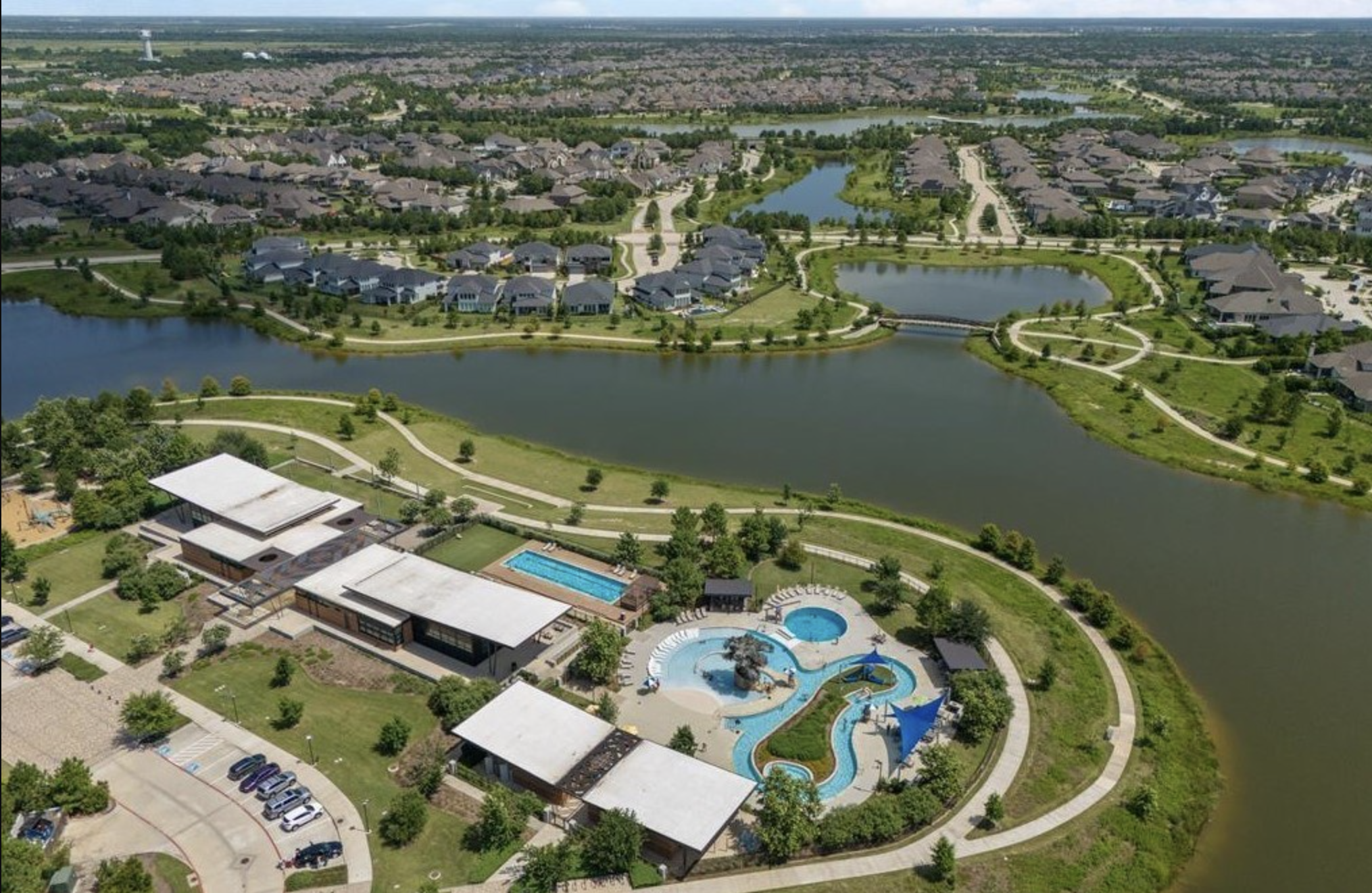
Areas like Bridgeland, Towne Lake, and other engineered neighborhoods in Cypress were built with modern drainage design, detention lakes, and elevation planning.
Many performed extremely well during past major storms because they were designed after Houston’s most significant flood events.
This is why new construction and engineered communities have become popular with relocation buyers.
6. Flood Insurance: What It Actually Means
Buying in a higher flood zone does not automatically mean unsafe, it simply means higher statistical risk.
In fact, homes outside mandatory zones filed a significant portion of Harvey claims.
A smart approach is to:
Request a flood insurance quote early in the process
Compare premium differences across neighborhoods
Factor in elevation certificates
Use insurance as a protective tool, not a fear factor
Flood insurance can be relatively affordable in Zone X, often just a few hundred dollars per year.
7. How an Experienced Local Realtor Helps
Flood evaluation in Houston isn’t guesswork, it’s a system.
An expert agent will help you:
Evaluate FEMA maps correctly
Understand street-by-street risk
Compare homes by elevation
Review past flood data
Identify engineered neighborhoods with strong performance
Understand insurance implications
Avoid blocks with known recurring issues
This is where local insight becomes a major advantage.
Final Thoughts: Should Flooding Stop You From Buying in Houston?
Not at all.
Flooding is a manageable risk when you understand:
The elevation
The drainage pattern
The individual home’s history
Flood insurance options
Neighborhood infrastructure
Thousands of families safely and confidently buy in Houston every year, including in neighborhoods that performed exceptionally well during major storms.
The key is clarity, not fear.
If you’re exploring Houston neighborhoods and want a block-by-block understanding of flood performance, I can walk you through everything you need to know.
Let’s talk through your goals and help you find the right fit safely and confidently.